
Common Dance Injuries and How to Prevent Them
Common Dance Injuries and How to Prevent Them
Dance Without Limits: Protect Your Body Before It Says "Stop!"
> "A great dancer isn't just the one who performs beautifully—it's the one who knows how to protect the body that makes every performance possible." 💃✨
Have you ever had to stop dancing because of sudden pain?
Or maybe you've heard someone say, "I twisted my ankle during practice," or "My knees hurt after every rehearsal."
The truth is, dance injuries are more common than you might think. But here's the exciting part—**most of them are preventable!**
Whether you're learning your very first routine or rehearsing for your next stage performance, taking care of your body is just as important as learning new choreography. After all, your body is your biggest asset as a dancer.
Why Do Dancers Get Injured So Often?
Dance looks effortless on stage, but behind every performance are countless hours of practice, repetition, stretching, jumps, spins, and intense movements.
Now ask yourself...
Do you warm up before every dance session?
Do you stop when your body signals pain, or do you keep pushing through it?
Many injuries happen because dancers unknowingly make small mistakes that add up over time.
Some of the biggest reasons include:
Skipping warm-up and cool-down sessions
Incorrect dance technique
Overtraining without proper recovery
Weak muscles or poor flexibility
Unsupportive footwear
Dancing on hard or uneven floors
Remember, it's not always the difficult move that causes an injury—sometimes it's the habit behind it.
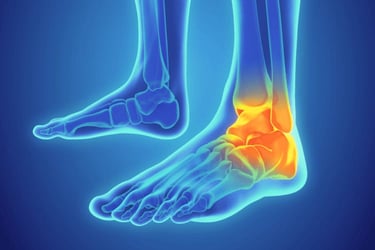
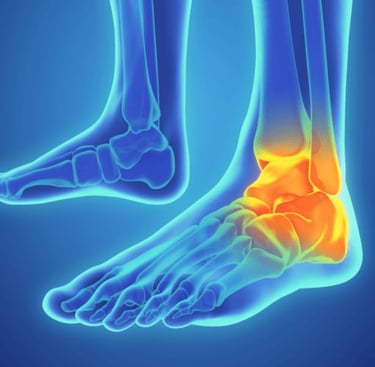
1. Ankle Sprains – The Most Common Dance Injury
Ever landed awkwardly after a jump or lost balance during a spin?
Your ankles absorb a significant amount of impact during dancing, making them among the most vulnerable body parts.
How to Prevent It
✔ Warm up your ankles before dancing.
✔ Strengthen them with balance exercises.
✔ Land softly after jumps.
✔ Wear proper dance shoes for better support.
Ask yourself: Are your ankles strong enough for the choreography you're practicing?
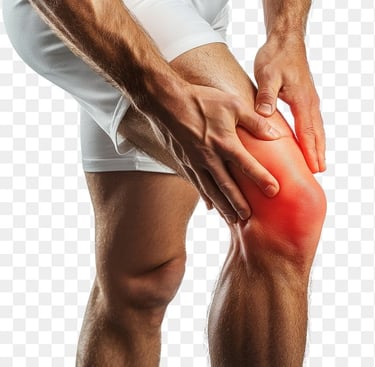
2. Knee Pain – Don't Ignore That Ache
Do your knees hurt after rehearsals?
From Bollywood and Hip-Hop to Contemporary and Classical dance, your knees constantly absorb pressure. Poor posture or incorrect alignment can slowly lead to discomfort and even serious injuries.
How to Prevent It
✔ Strengthen your thighs, glutes, and core.
✔ Maintain proper posture throughout your routine.
✔ Avoid locking your knees while dancing.
✔ Increase practice intensity gradually.
A little soreness after practice is normal—but pain that keeps returning isn't.
3. Muscle Strains – Flexibility Takes Time
Ever tried a split or high kick before your muscles were ready?
That sudden pull you feel could be a muscle strain.
The hamstrings, calves, groin, and lower back are especially at risk when dancers rush their progress.
How to Prevent It
✔ Never stretch cold muscles.
✔ Improve flexibility gradually.
✔ Stay hydrated.
✔ Don't force movements just because others can do them.
Here's something worth remembering: Progress is exciting, but patience prevents injuries.
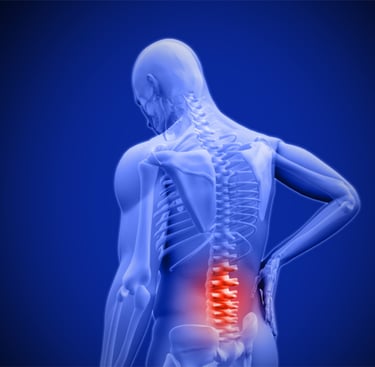
4. Lower Back Pain – Your Core Matters More Than You Think
Can you hold a strong posture while dancing?
If the answer is "not always," your back might be working much harder than it should.
Weak core muscles and repeated backbends often lead to lower back pain.
How to Prevent It
✔ Build a stronger core.
✔ Practice proper posture.
✔ Avoid sudden deep backbends.
✔ Include mobility exercises in your routine.
A strong core doesn't just improve your dancing—it protects your entire body.
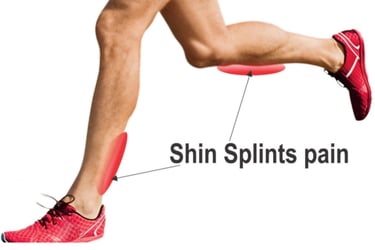
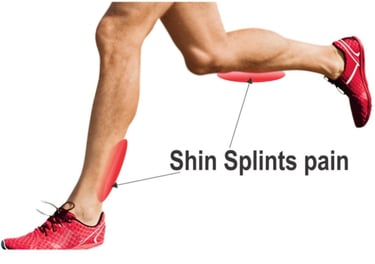
5. Shin Splints – When Practice Becomes Too Much
Have you recently increased your practice hours?
Sometimes enthusiasm makes us dance longer than our bodies are prepared for.
Pain along the front of your lower leg could be an early sign of shin splints.
How to Prevent It
✔ Increase training gradually.
✔ Dance on suitable flooring.
✔ Wear supportive footwear.
✔ Give your body enough time to recover.
Remember, rest isn't a break from progress—it's part of progress.
Pain Isn't a Medal of Hard Work
Many dancers proudly say,
"No pain, no gain."
But is that really true?
Not always.
Your body constantly communicates with you. Learning the difference between normal muscle soreness and an actual injury can save months of recovery time.
Never Ignore These Warning Signs
Persistent pain during or after dancing
Swelling around joints
Difficulty putting weight on a leg
Reduced flexibility or movement
Pain that continues for several days
Listening to your body today can help you dance confidently tomorrow.
Small Habits, Big Protection
Want to dance for years instead of months?
Make these habits your daily routine:
✅ Warm up for at least 10–15 minutes.
✅ Cool down after every practice.
✅ Drink enough water.
✅ Eat nutritious meals for muscle recovery.
✅ Sleep well.
✅ Take rest days without guilt.
✅ Learn from trained instructors who focus on safe technique.
The strongest dancers aren't the ones who never get injured—they're the ones who know how to prevent injuries before they happen.
💃 The Secret Behind Every Strong Dancer 💃
Have you ever watched professional dancers and wondered...
"How do they dance for hours without getting injured?"
"How do they perform difficult moves even as they grow older?"
"Is it just talent... or is there something more?"
The answer isn't just practice—**it's preparation.**
At Dance Mehekma, we believe that great dancers are built before the choreography even begins. That's why our classes focus on much more than simply teaching dance steps.
Before every session, we include targeted exercises that strengthen different parts of your body—your core, legs, shoulders, ankles, back, and overall muscle strength. A stronger body gives you better balance, stability, control, and confidence while dancing, helping reduce the chances of injuries.
We also place equal importance on flexibility, posture, mobility, balance, and proper body alignment. These aren't just exercises—they're the foundation of becoming a better dancer. They improve your movements, relax tight muscles, increase flexibility, and help your body recover faster after practice.
Because the truth is...
People who dance for years without frequent injuries don't simply have stronger bodies—they've learned how to take care of them.
And that's exactly what you'll learn at Dance Mehekma.
So, if you've ever wondered...
✨ "How do dancers keep performing as they get older?"
✨ "How do they stay flexible and energetic?"
✨ "How can I dance confidently without constantly worrying about injuries?"
You'll find those answers here.
Join Dance Mehekma and experience the difference yourself. Learn not just how to dance—but how to build a body that can keep dancing for years to come. ❤️

Reach
Questions? Book your free trial today!
dancemehekma@gmail.com
+91 9654005905
© 2026. All rights reserved.
Contact